Projects
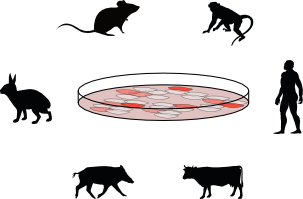
Our research investigates how transposable elements regulate, and are regulated by, the mammalian genome, combining evolutionary genomics with functional experiments in stem cell systems and differentiation models. We pursue three interconnected research themes, using mammalian stem cells and differentiation models combined with computational and experimental approaches.
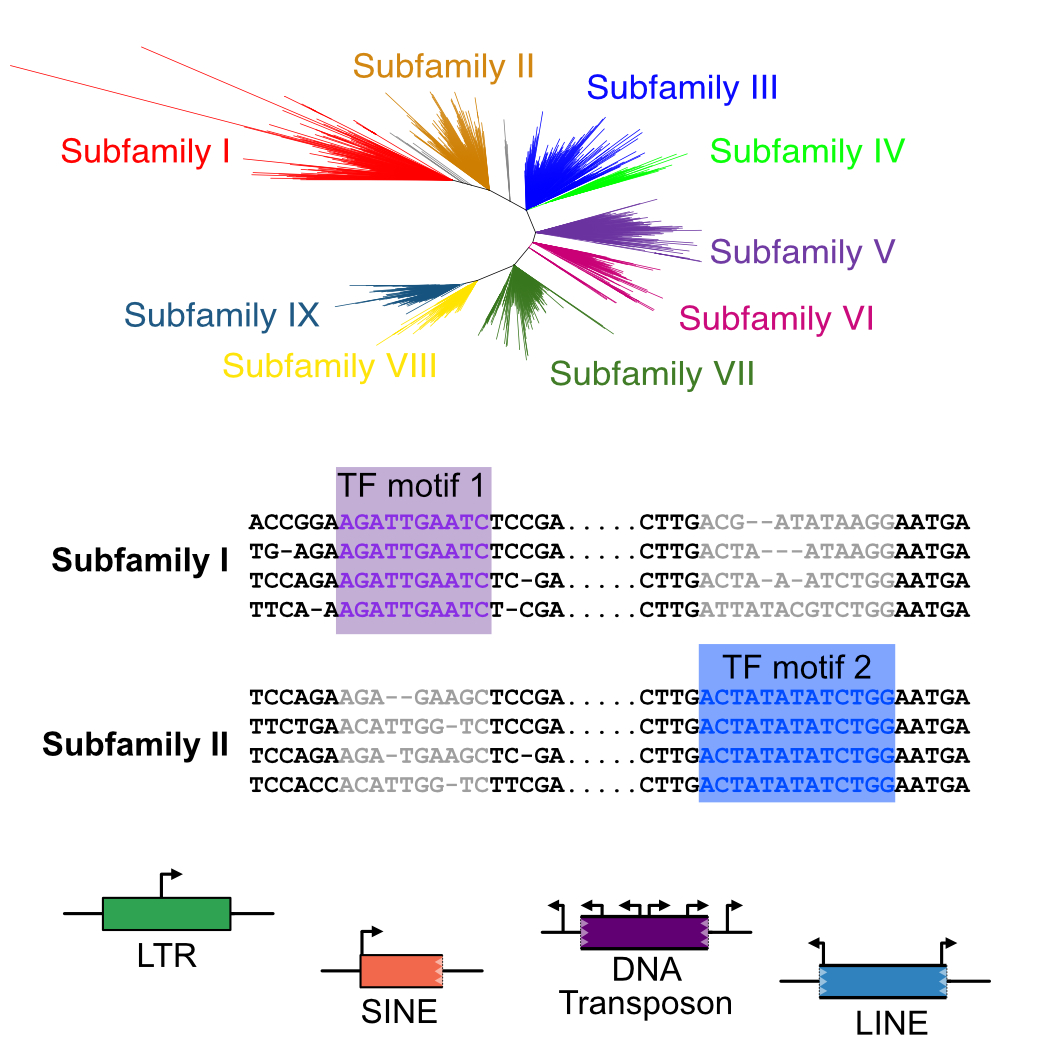
We use comparative genomic and transcriptomics approaches to trace how evolutionary ancient transposable element families have been co-opted as cis-regulatory elements over the course of mammalian evolution, revealing the rules that govern when and how a TE becomes a host gene regulator.
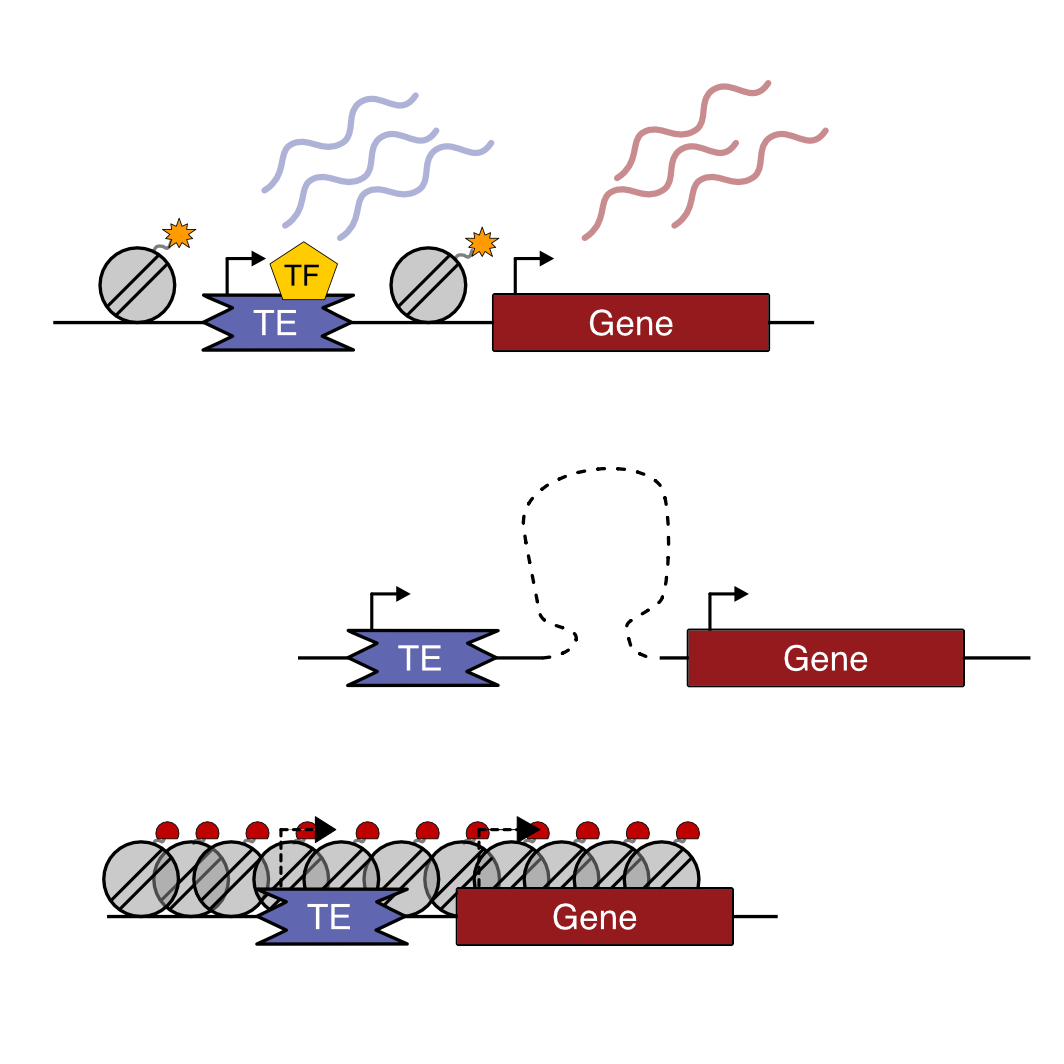
Using mammalian stem cells and differentiation models, we investigate how the host epigenome controls TE activity and how TE sequences feed back to shape the epigenetic landscape of nearby genes.
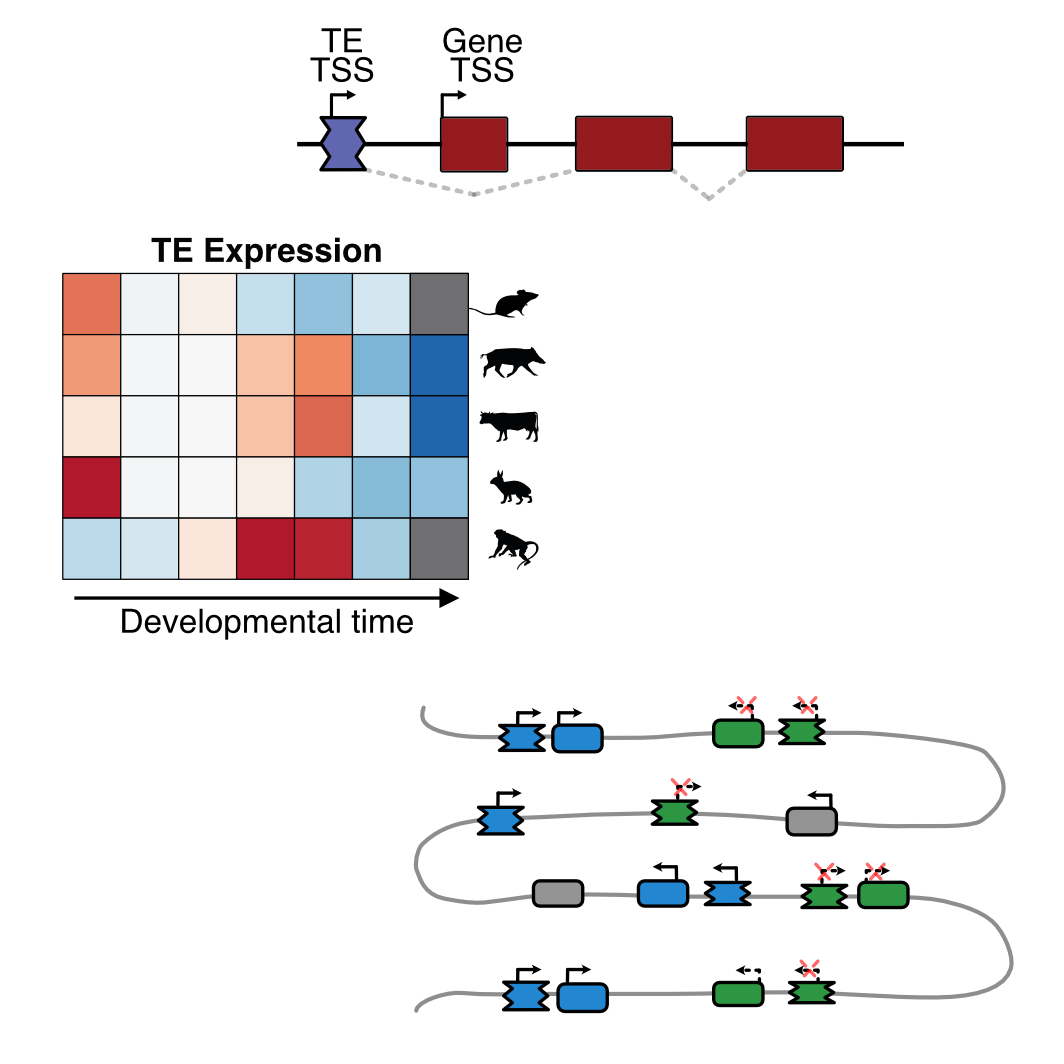
TEs are known to drive transcriptional programs in development, as well as in certain diseases such as cancer. We study the mechanisms in which TE sequences wire the surrounding genome, and explore what happens to neighboring genes when TEs become (untimely) expressed.
Open science
We are committed to sharing our data, code, and protocols openly. Code for published analyses is deposited on GitHub; raw and analyzed data are deposited in SRA and GEO.